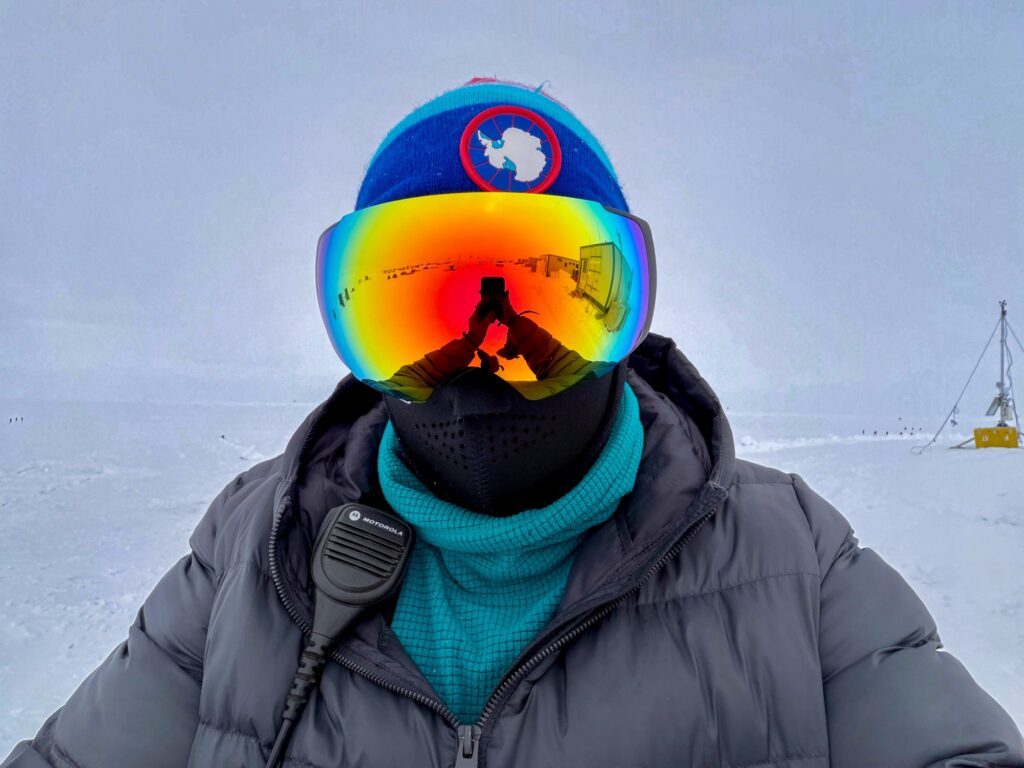
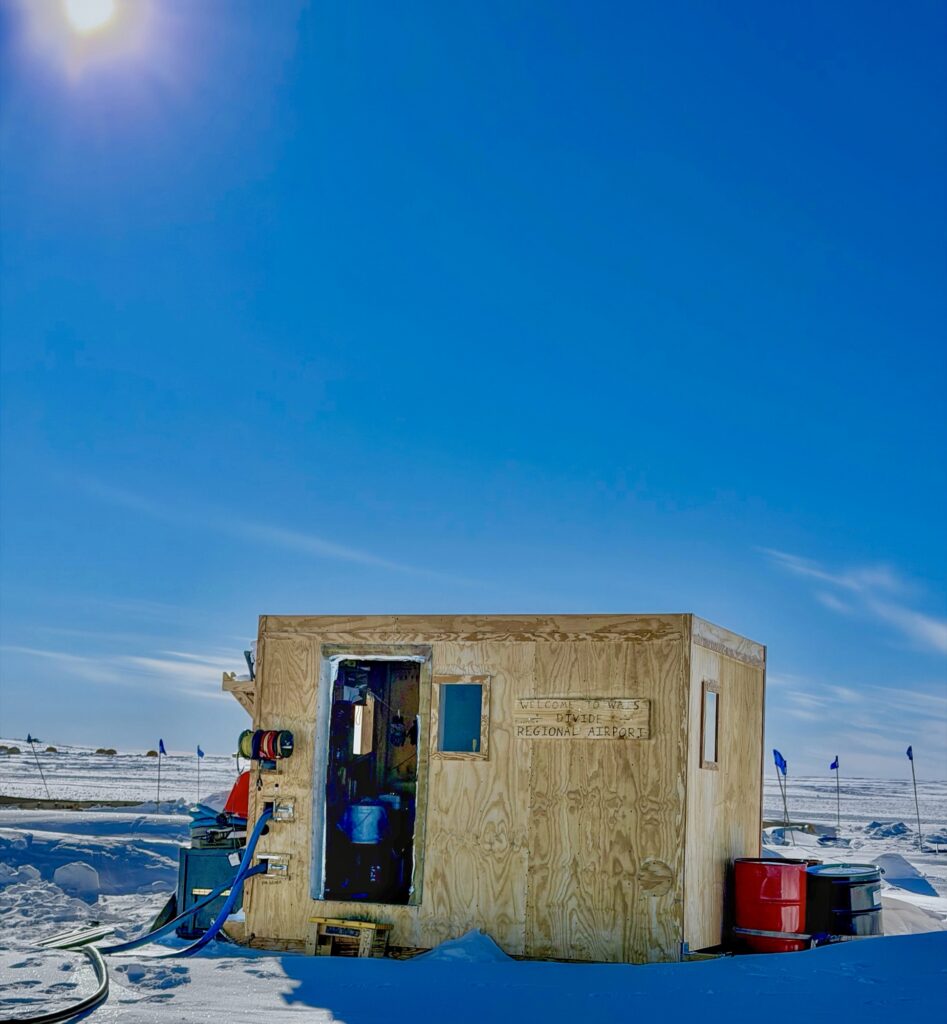
Busy week this week here at WAIS Divide! The week started out with a 16 hour work day for me (0800-0000) and then back at 0800 the next day, due to flight operations. As of now, they are working to send us one LC-130 a day, typically in the morning, but if that one doesn’t come to us, it becomes a night flight, so it’s hard to split the schedule, but we make it work.
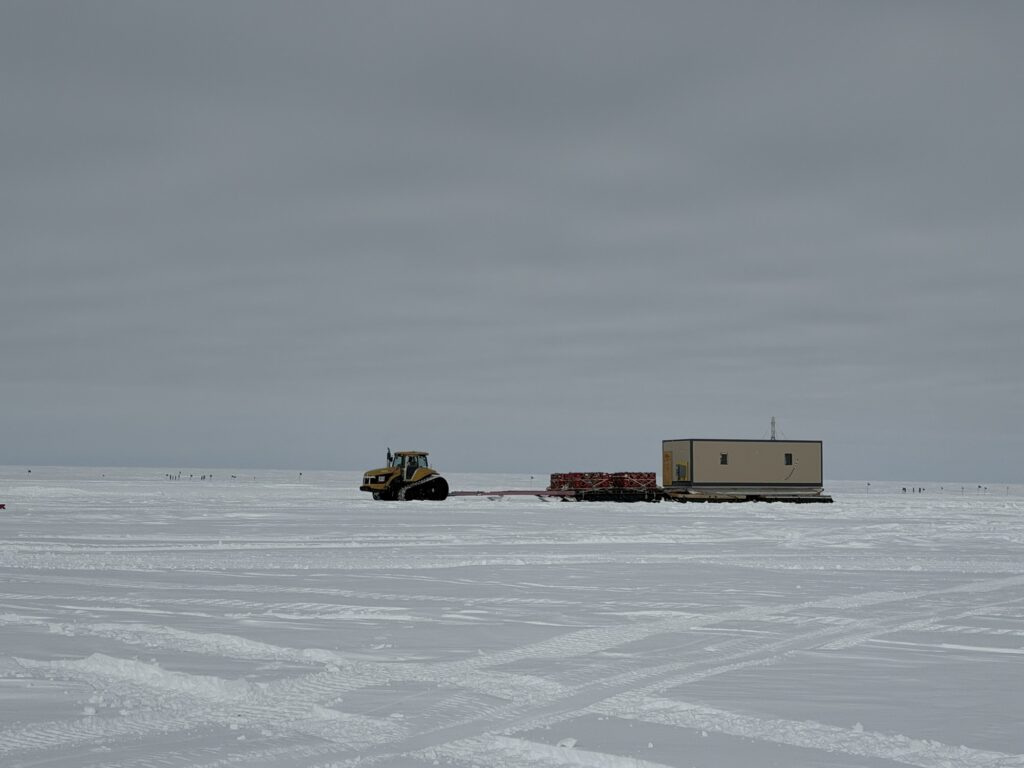
The next day was focused on getting the other half of our camp out of here. In addition to the WAIS Divide staff and incoming science groups, we additional have the WAS (Western Antarctic Support) Traverse group that we have been working alongside.
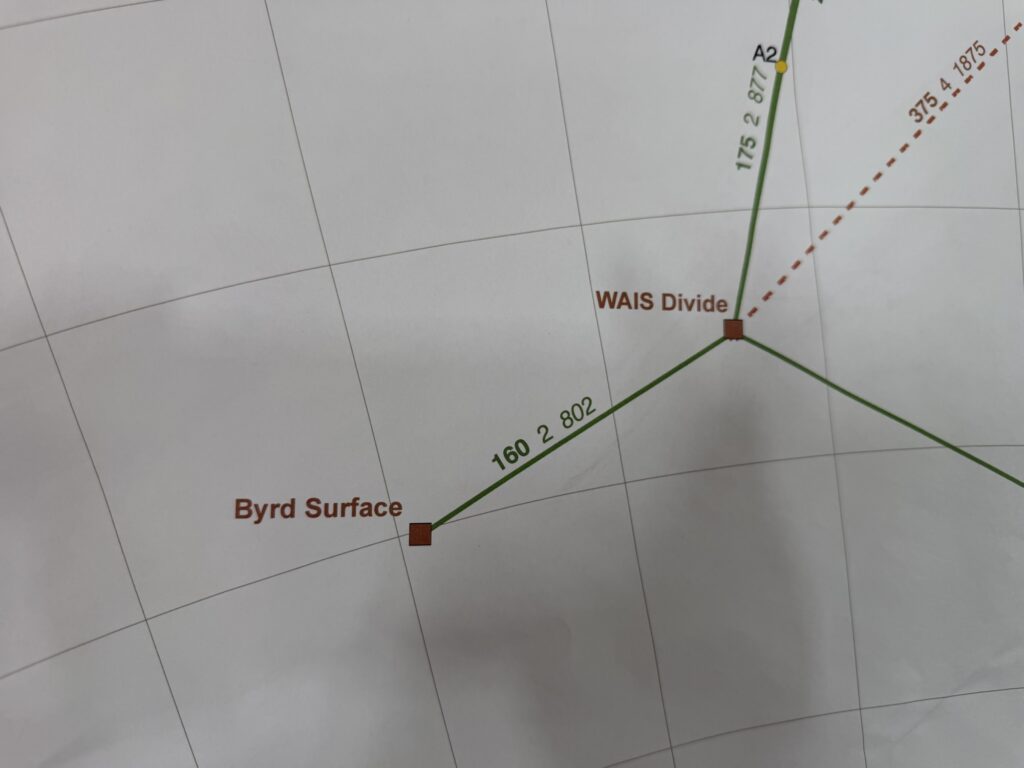
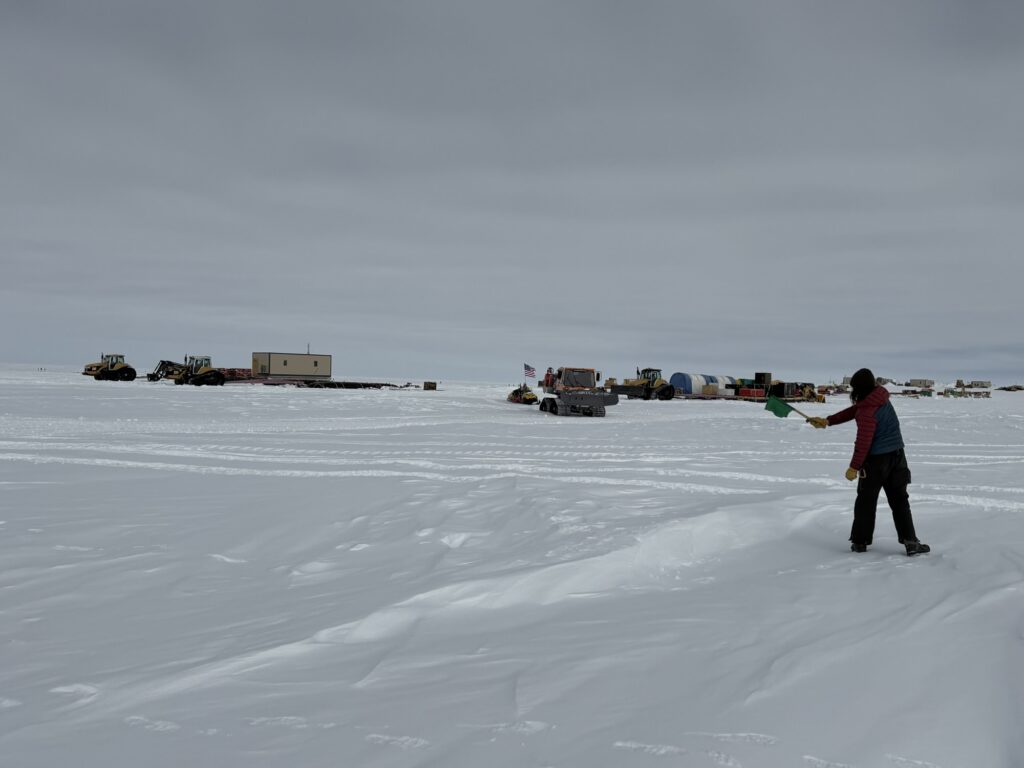
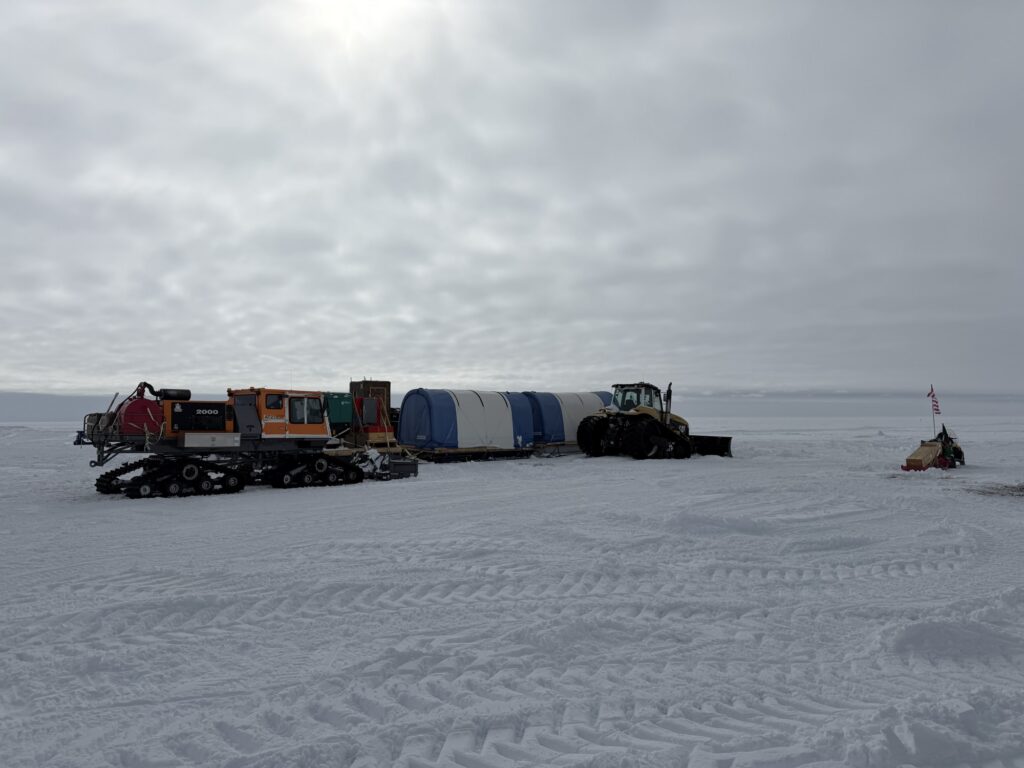
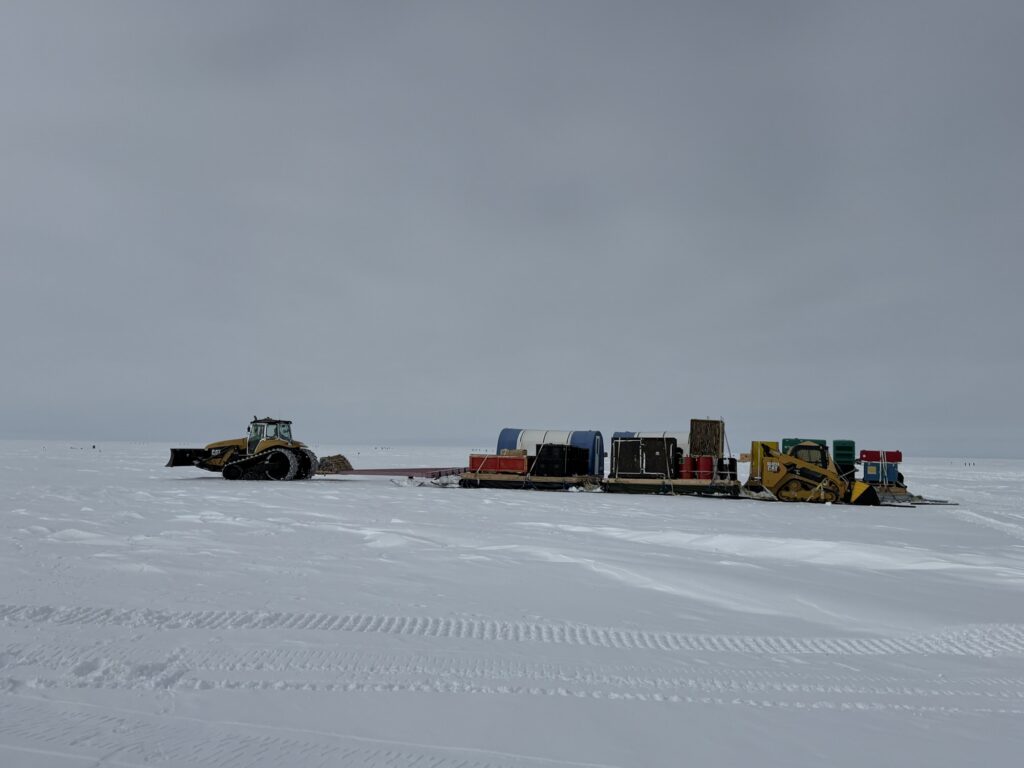
Their job is to start moving this camp over to Byrd Surface Camp about 100 miles away. WAIS Divide was established back in 2005 and was centric to the Ice Core Project, since we are currently sitting on 3 miles deep of ice. However, it’s since been found that there’s older ice closer to the surface over in the Allen Hills Field Camp (see previous post), so the project has shifted over there. However, there’s still a lot of science that needs to happen in Western Antarctica, but as you now know, the weather here is often unfavorable for flight operations, etc. But, just 100 miles away from here, due to topography, Byrd Camp (that was prevalent in the 1960’s) has significantly better weather allowing for science to continue out here. So, the plan is to slowly decommission this camp and shift everything to Byrd. So, how is that done? Well, by moving the stuff over land! To read a bit more about Byrd Camp’s history check out: https://en.wikipedia.org/wiki/Byrd_Station
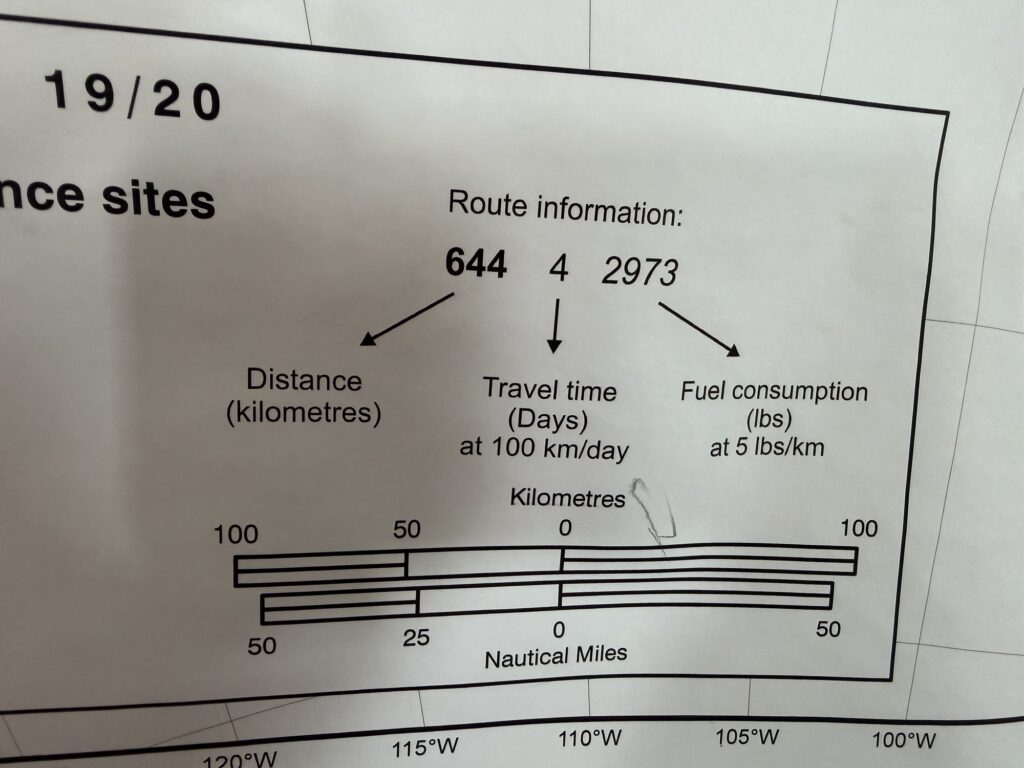
As you can see in the chart’s below, it’s approximately a two day journey there (took our folks three due to a later start on Day 1), and consumes about 802 gals of fuel to get there! The folks will remain there about a week to get things established before heading back here for a few and then back to McMurdo with mission complete.
You can see some pictures below of that various heavy loads they’re carrying.
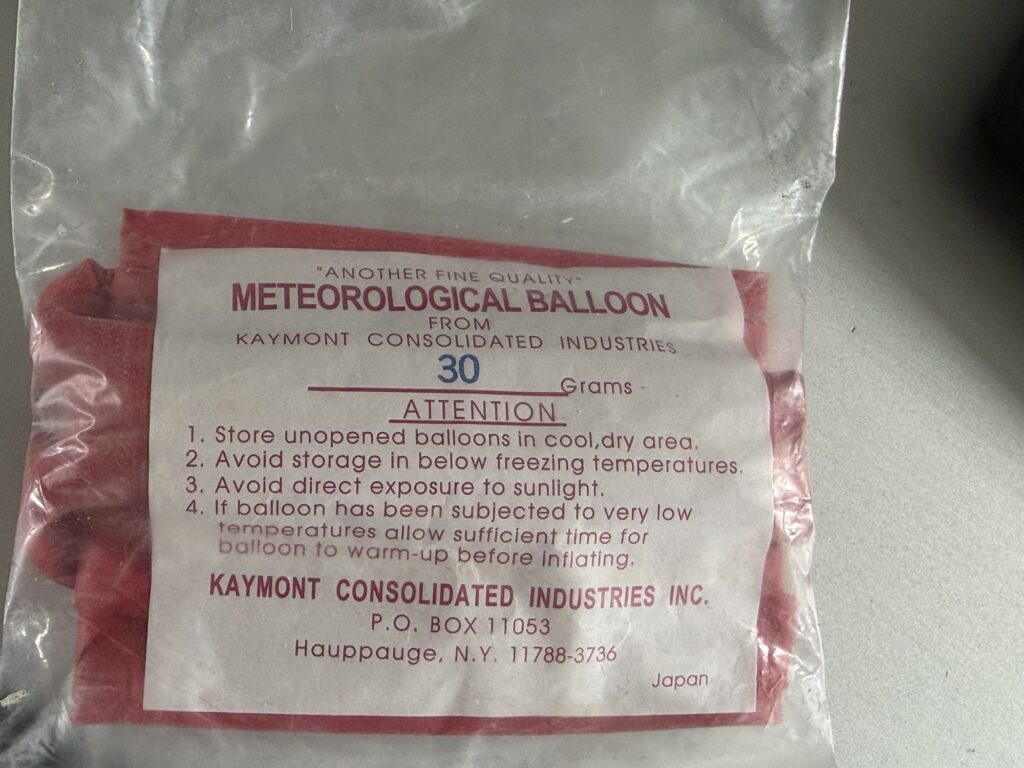
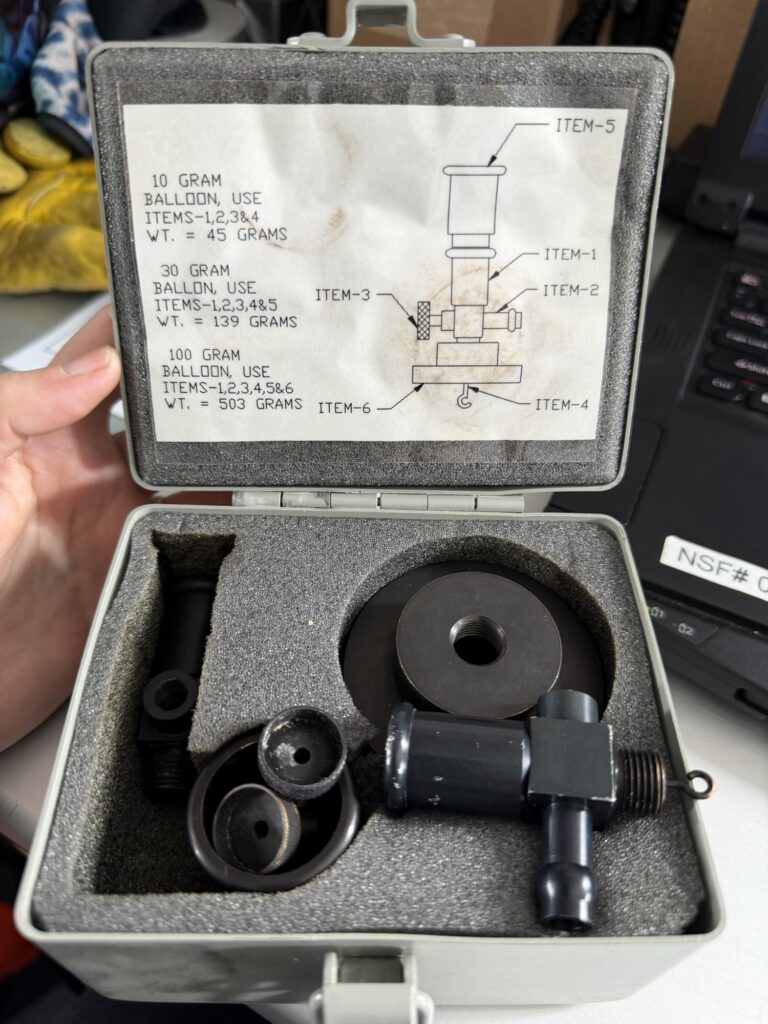
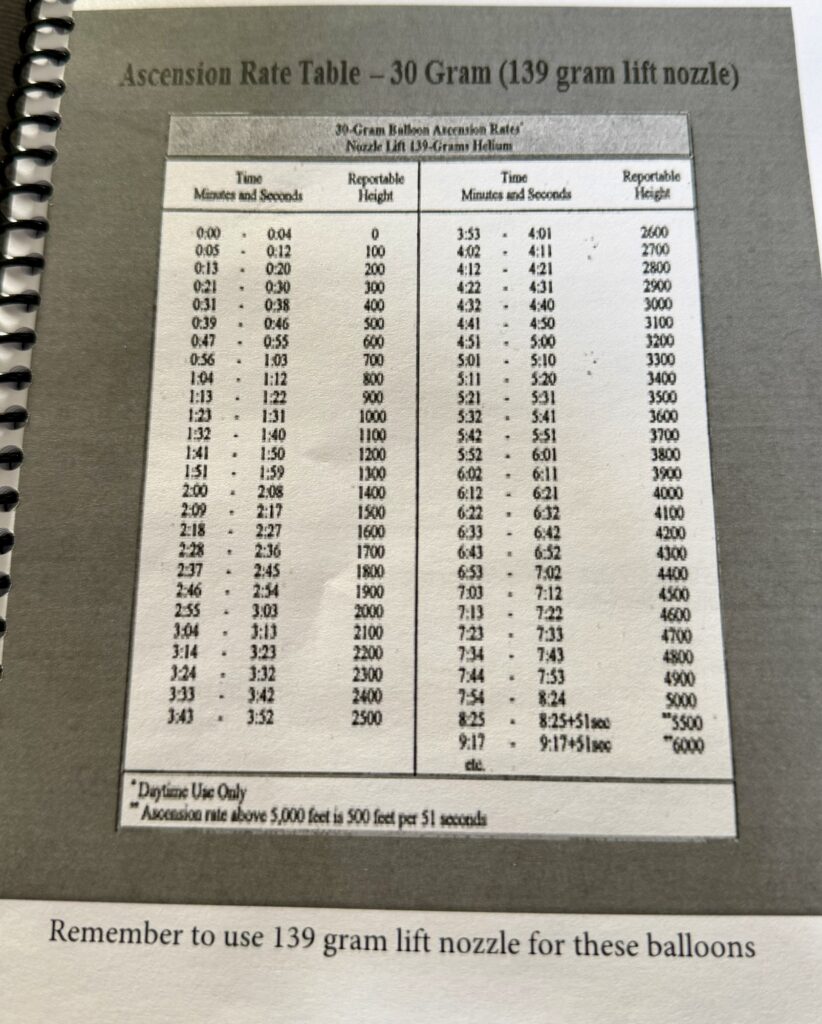
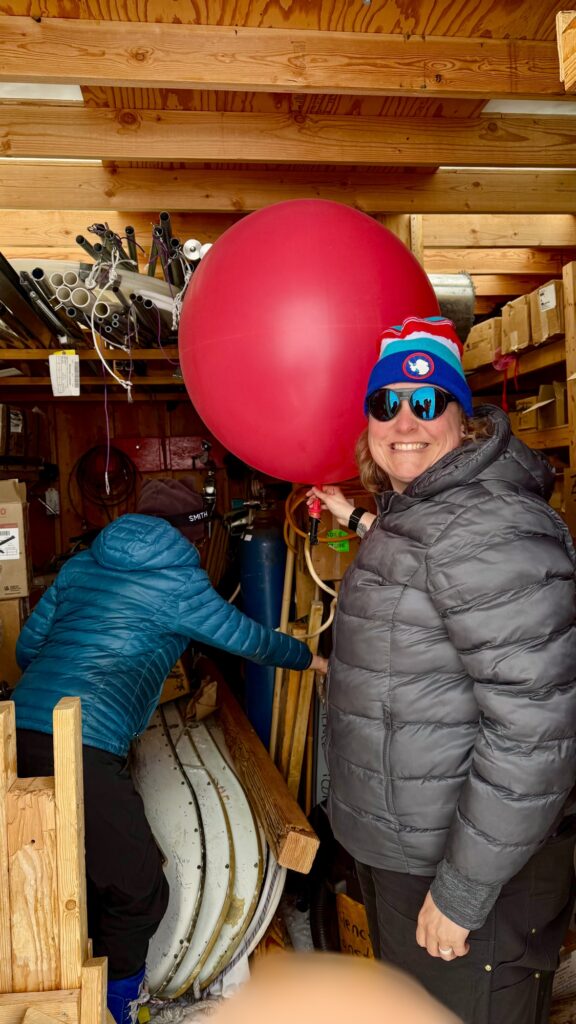
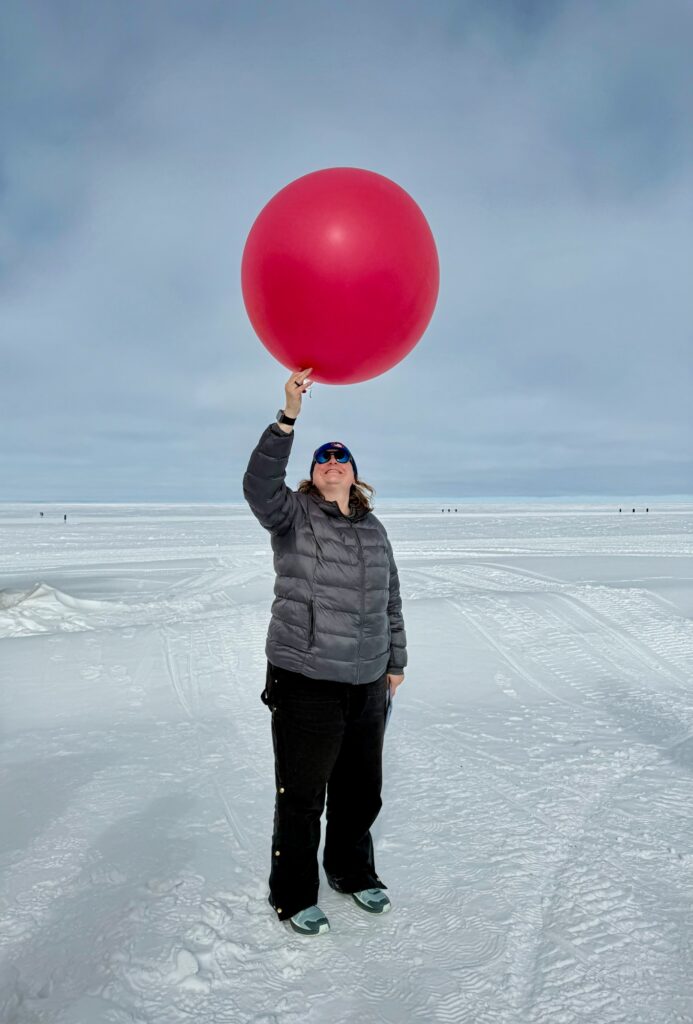
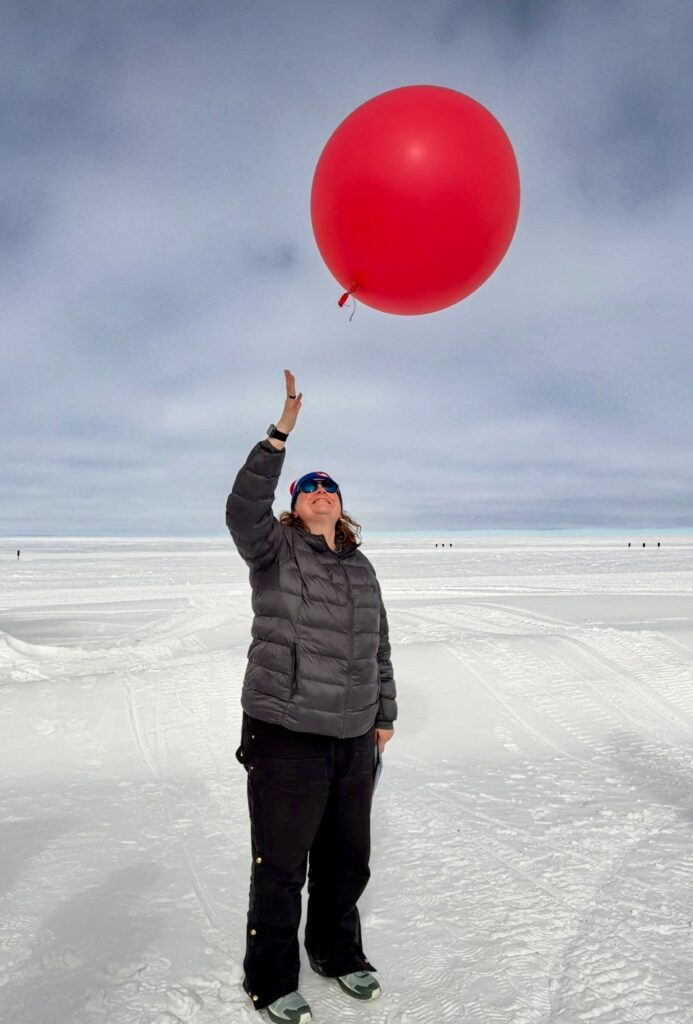
This week we also decided to launch a ceiling balloon. We have a handheld range/ceiliometer that is our primary source for determine clouds, but we do also have balloons to launch as backup (or for fun or to hone our skills).
The basic premise is filling a weather balloon to 30g of helium and when it’s released, it is tracked via eyesight until it disappears into the clouds (hence why this one is a red balloon versus your typical white weather balloons). The rate of ascension is standard and based on the time calculated, determines your cloud base.
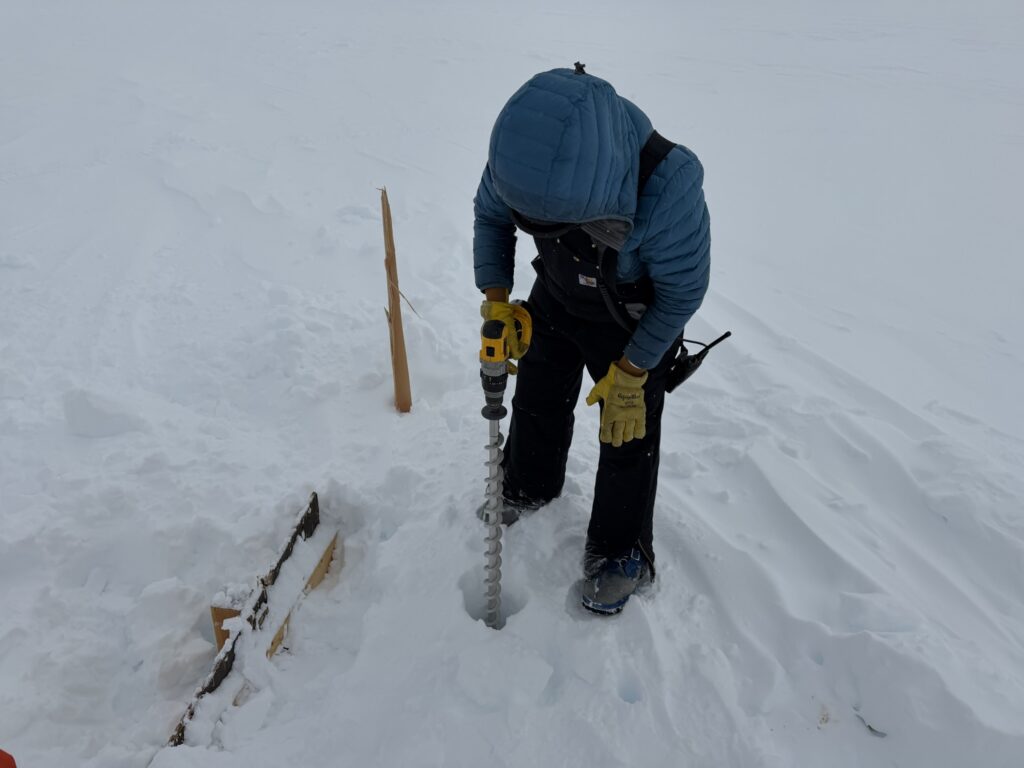
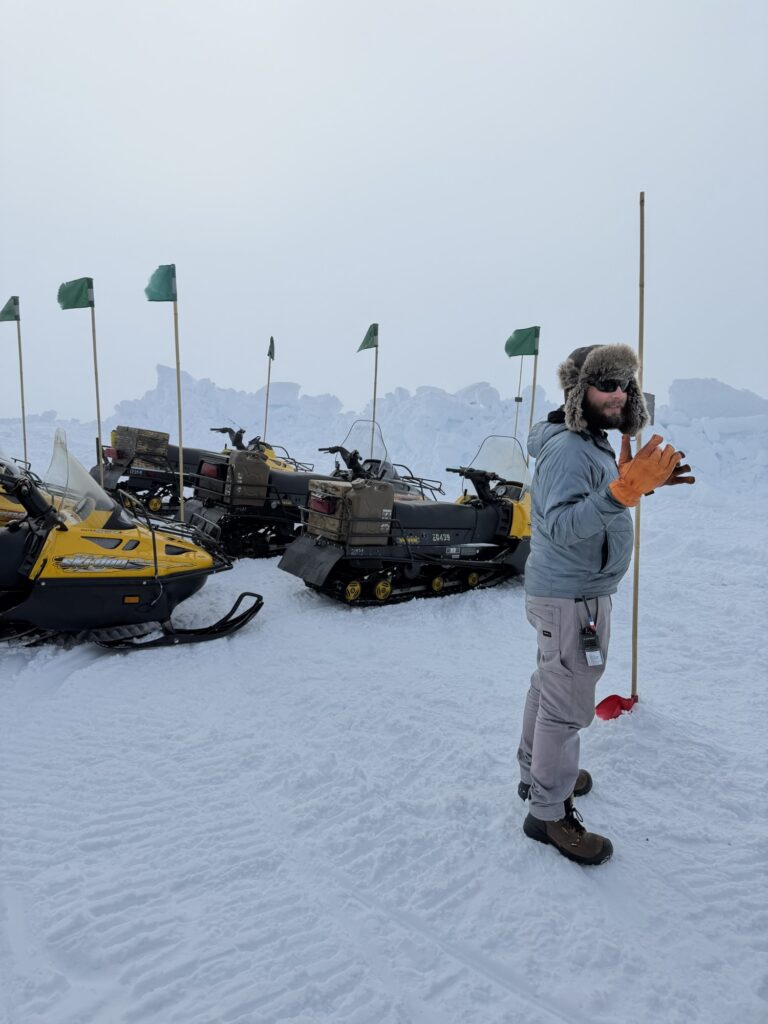
Later in the week, we were able to head on out to place the broken visibility markers. So, now we actually have visibility markers from our observation site at Grid N, E, and W. Grid S is a challenging view point with berms and equipment and rarely does weather move in from that direction.
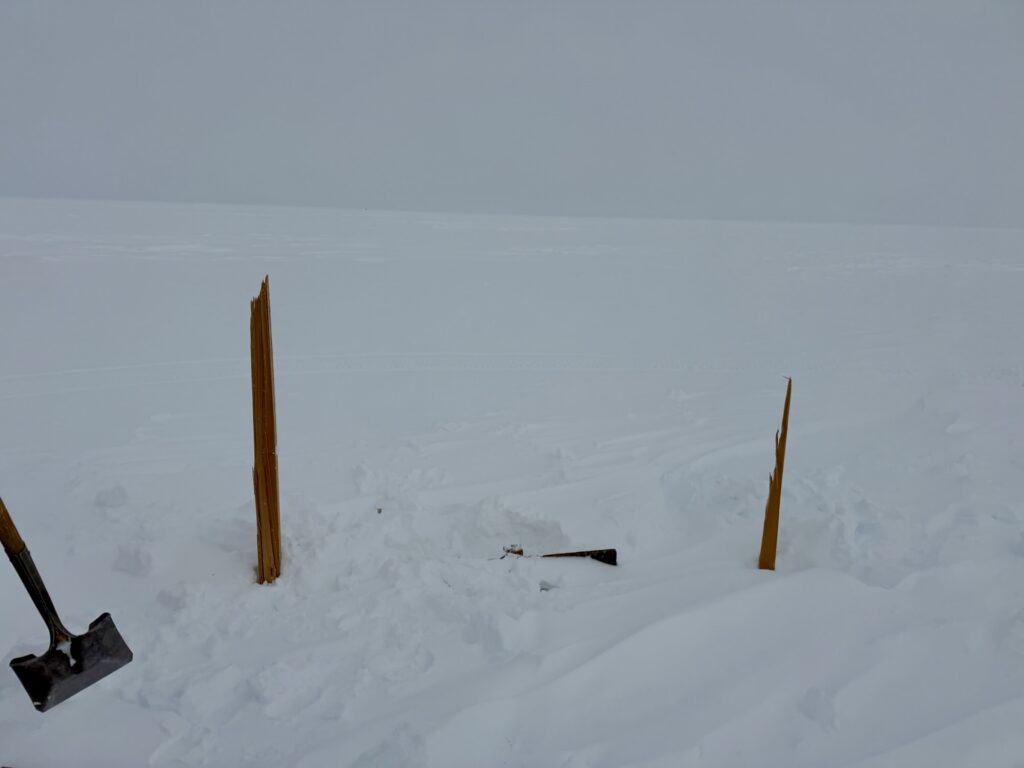
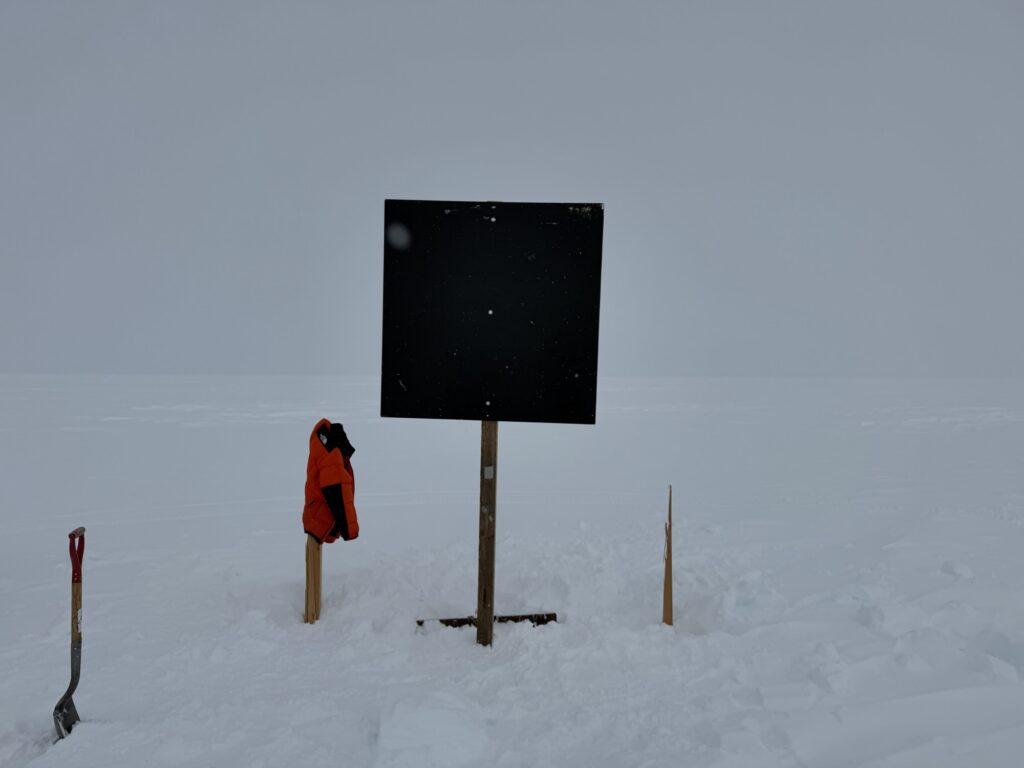
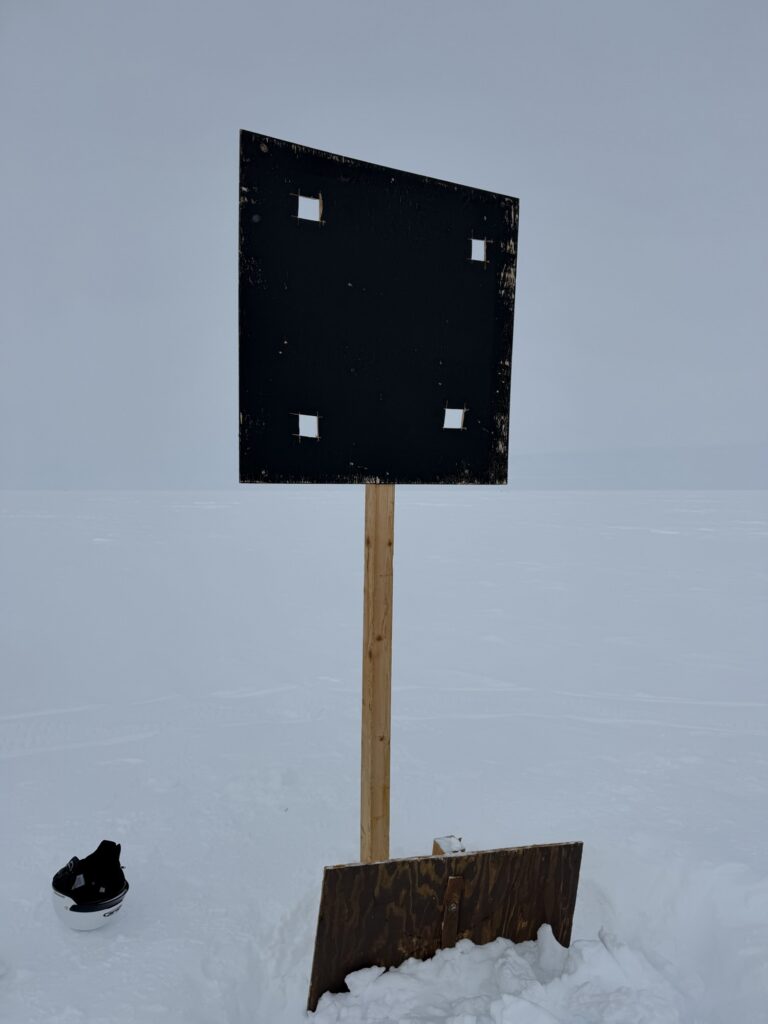
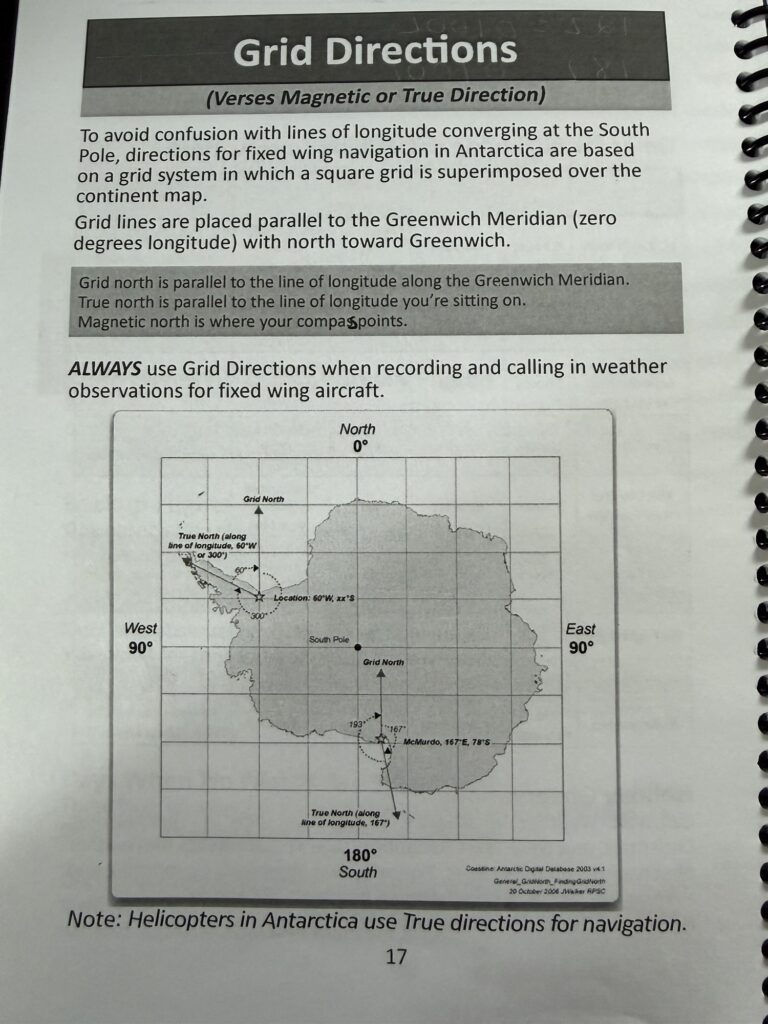
So, what are GRID directions? It is how we determine direction down here, since lines of longitude converge at the South Pole, so we use a grid system across the continent where GRID North is parallel to the line of longitude along the Greenwich Meridian.
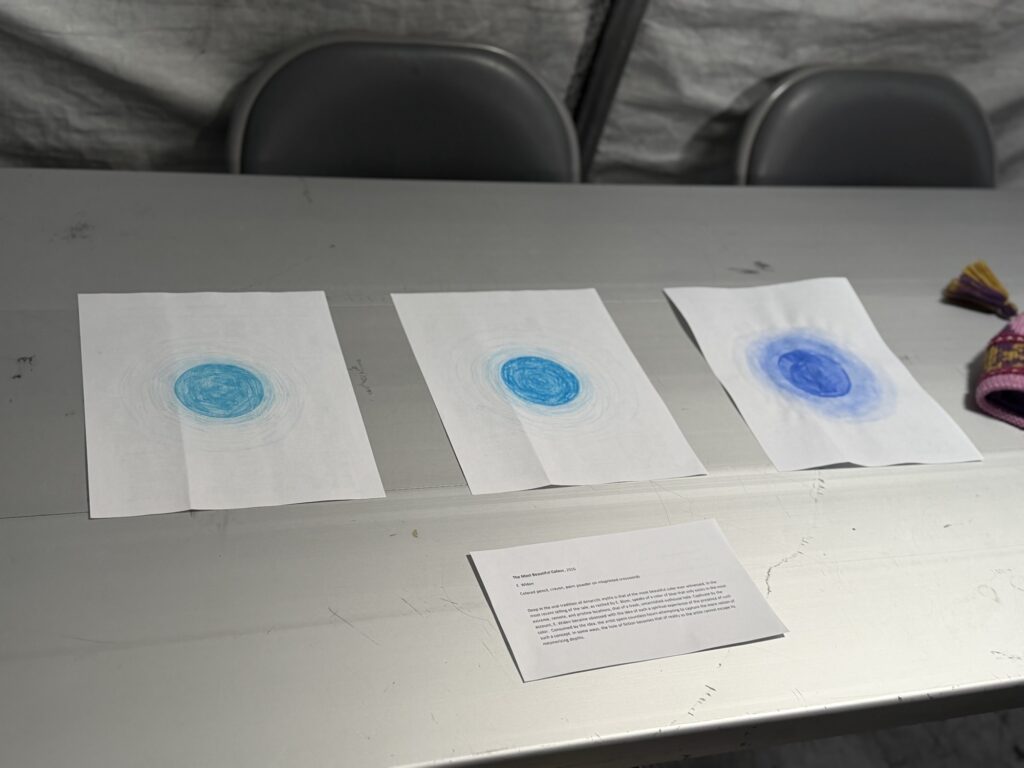
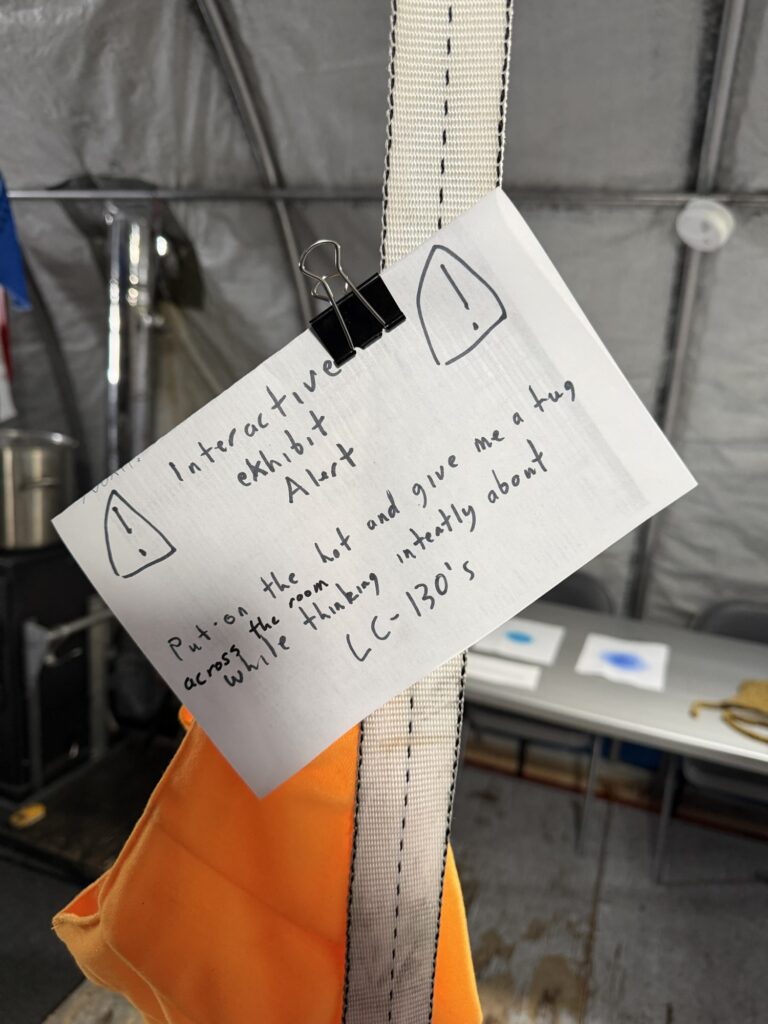
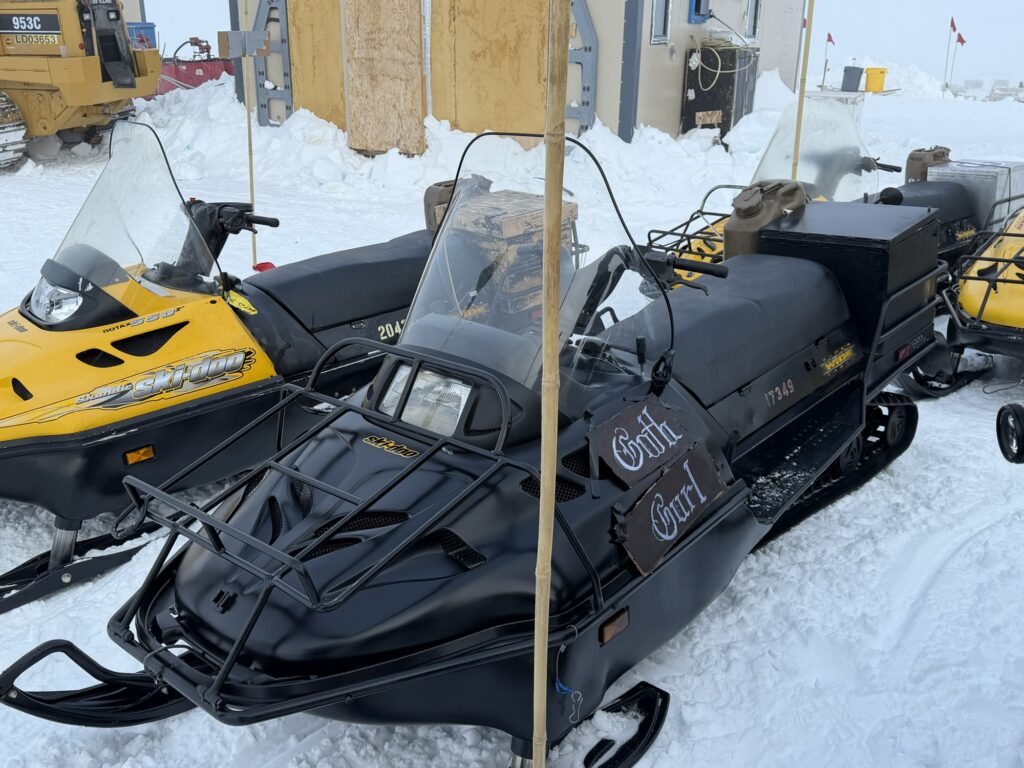
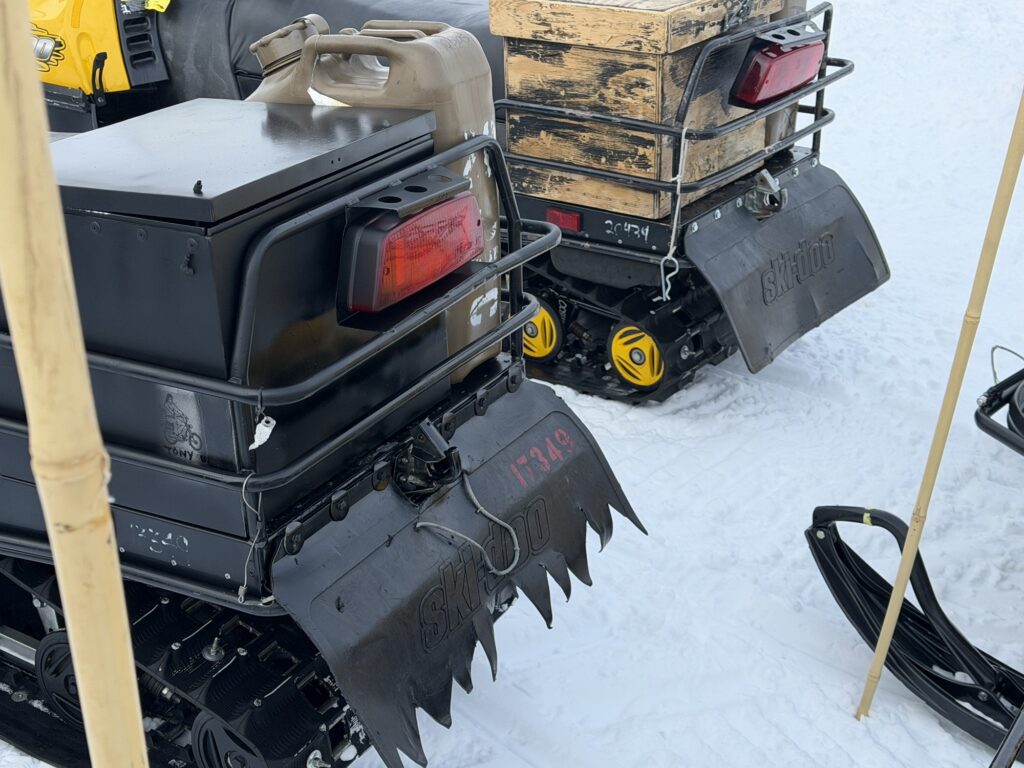
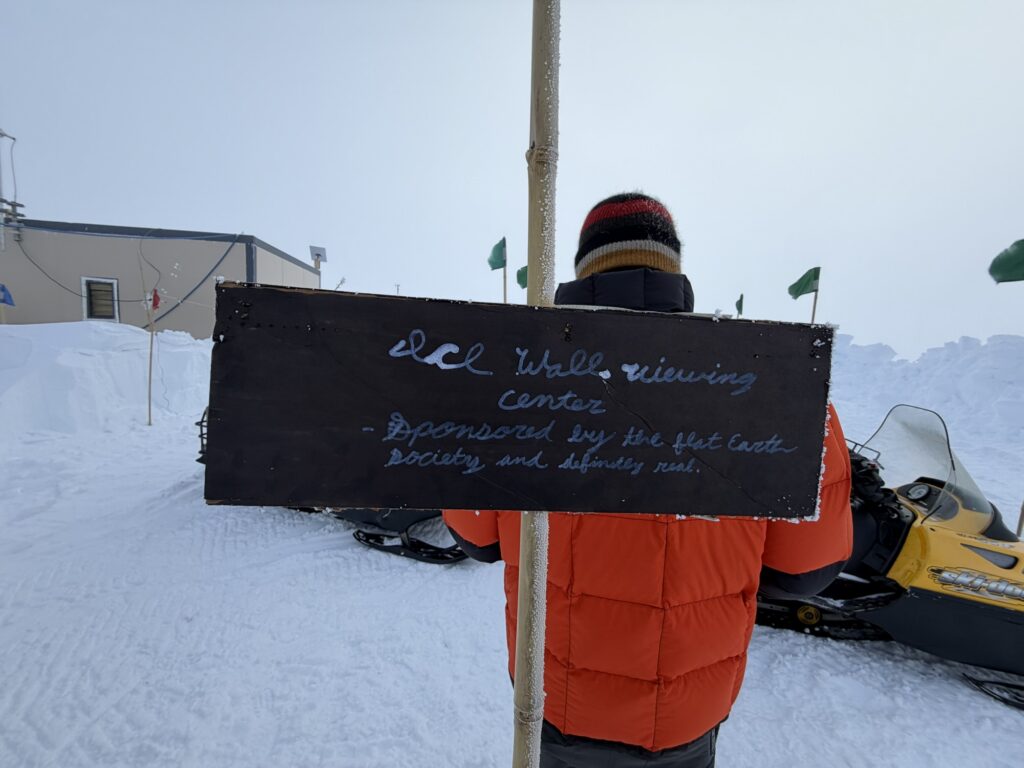
To finish out our incredibly long week, we had an art gallery! Affectionally known as WAAAG (West Antarctic Alternative Art Galley), which is a play on McMurdo’s MAAG (McMurdo Alternative Art Gallery) also happening this weekend. We had a lot of fun creating “art” drawing inspiration and materials from our flat white home away from home. I, myself, created and displayed my first art piece ever!
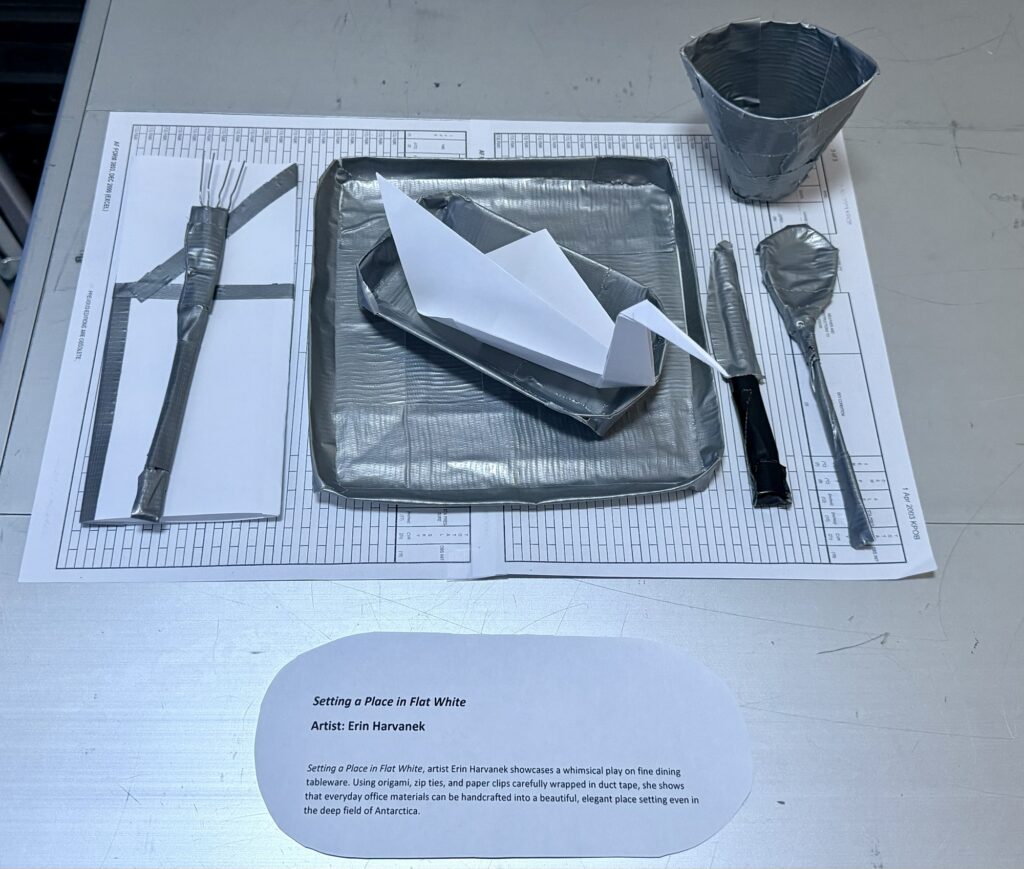
Here are some other fun pieces from the exhibit
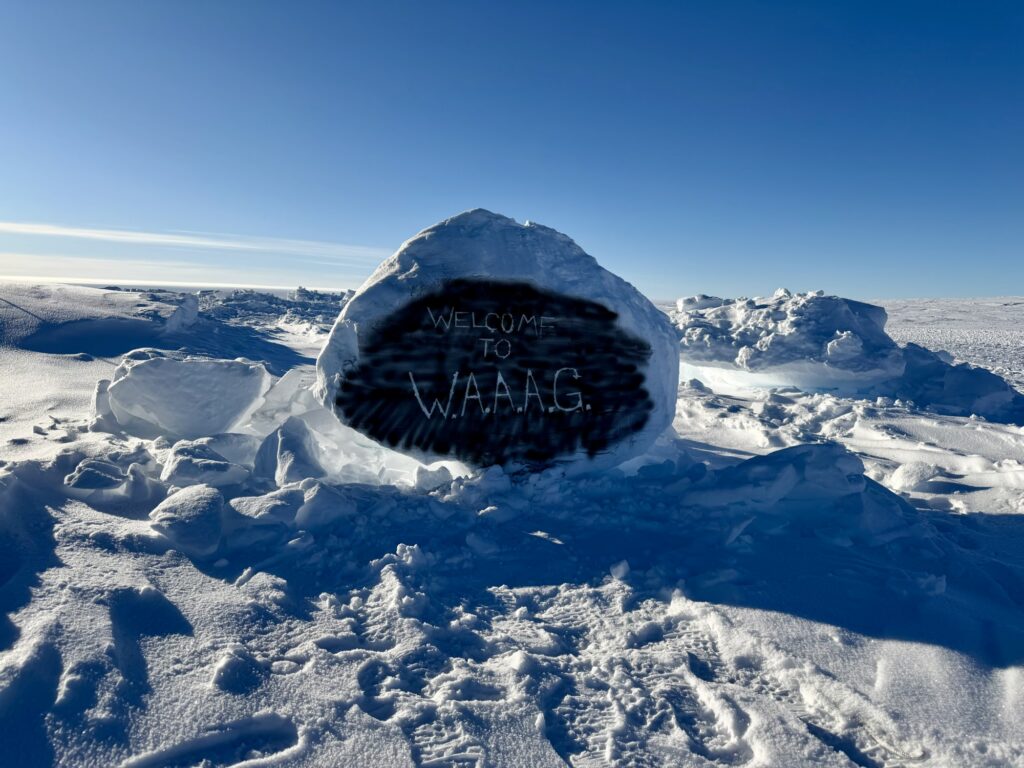
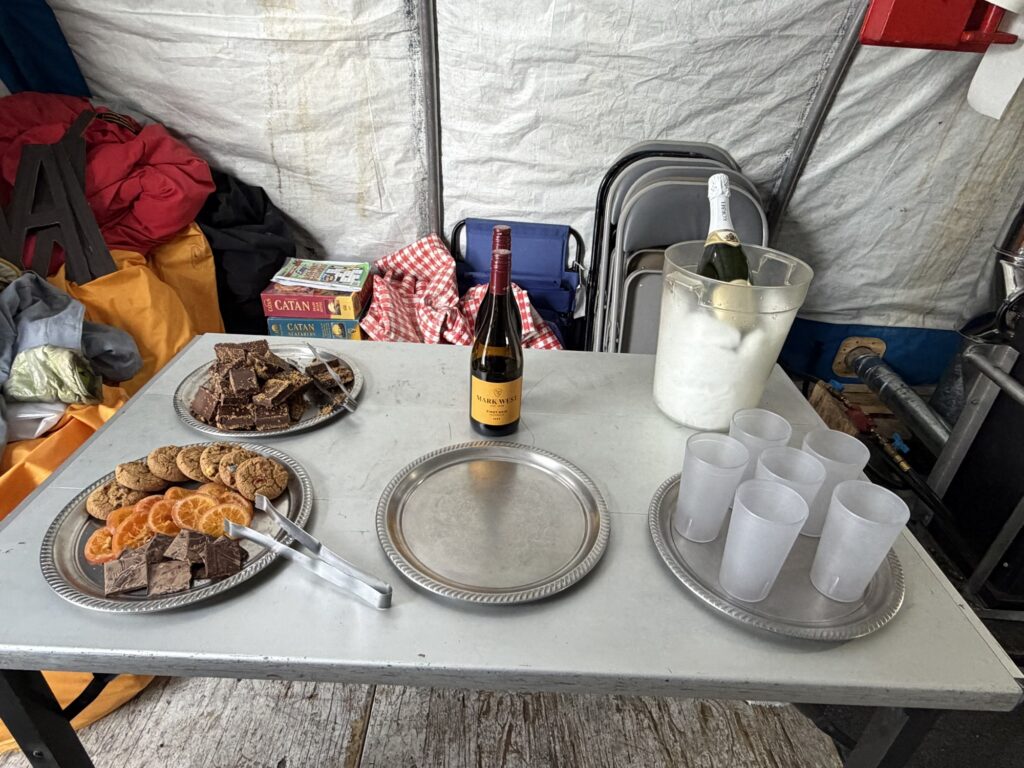
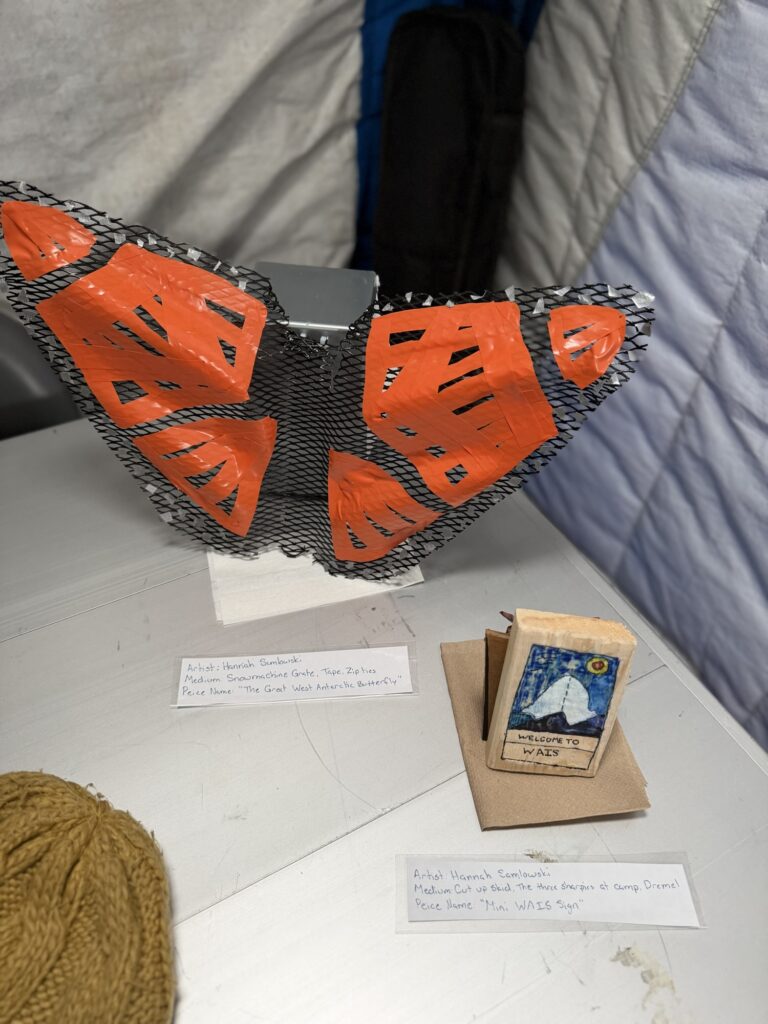
It’s finally Sunday and our first day off in about 8 days. We have a very busy week coming up with: the traverse folks heading back, science FINALLY coming out here, and additional aircraft to support.
I hope everyone has a good week!
Sounds like a lot of work and fun at the same time. Great post and great writing. What a wonderful life experience.
Keep us posted! We are having Jackie’s birthday party on Saturday. Wish you could come. Some day!
Love you! Take care of yourself too.
Dad!